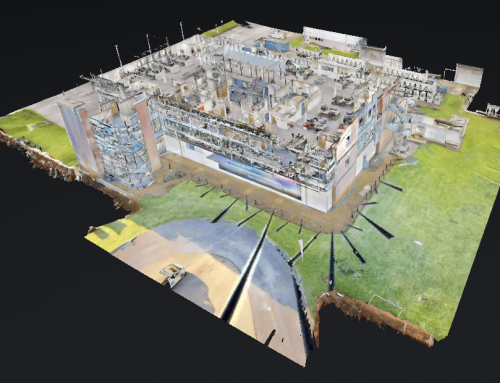
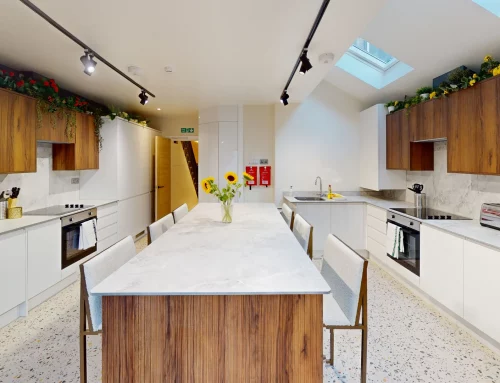
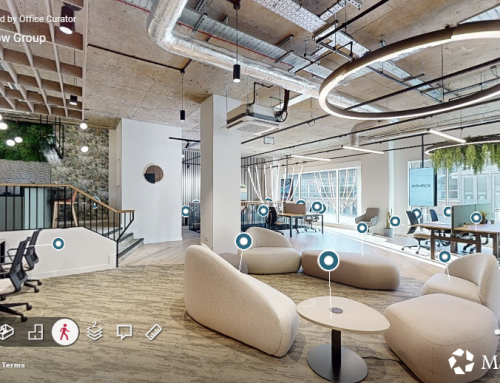
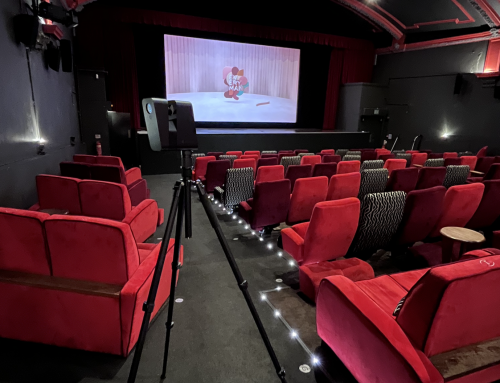
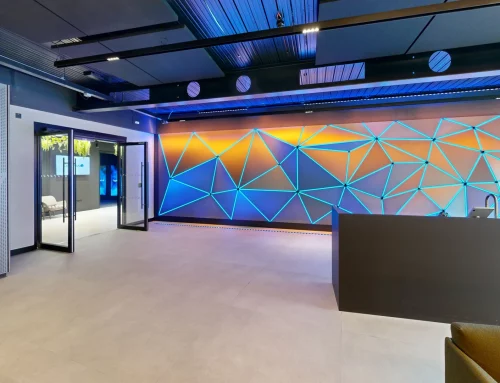
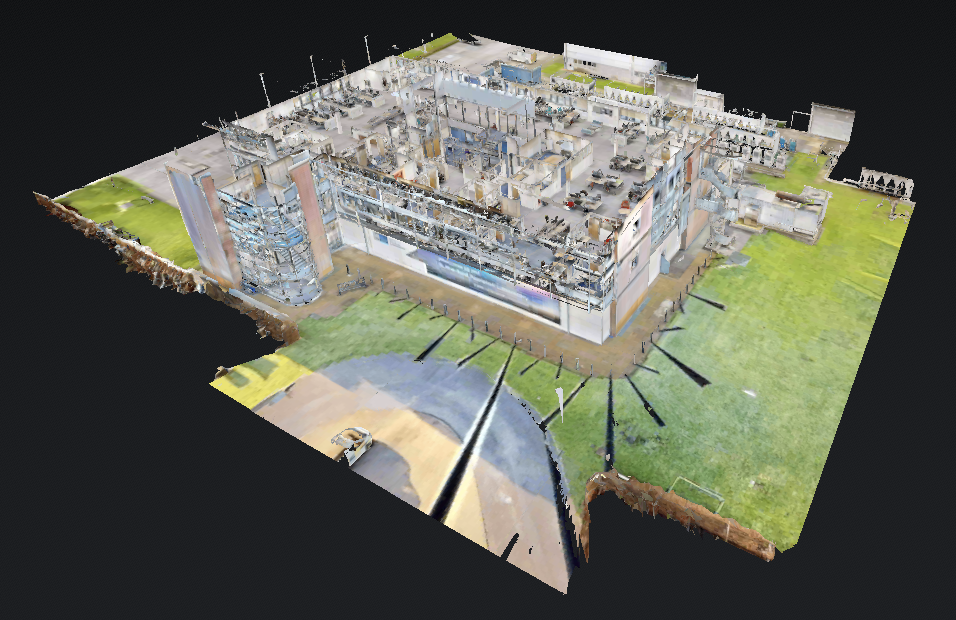
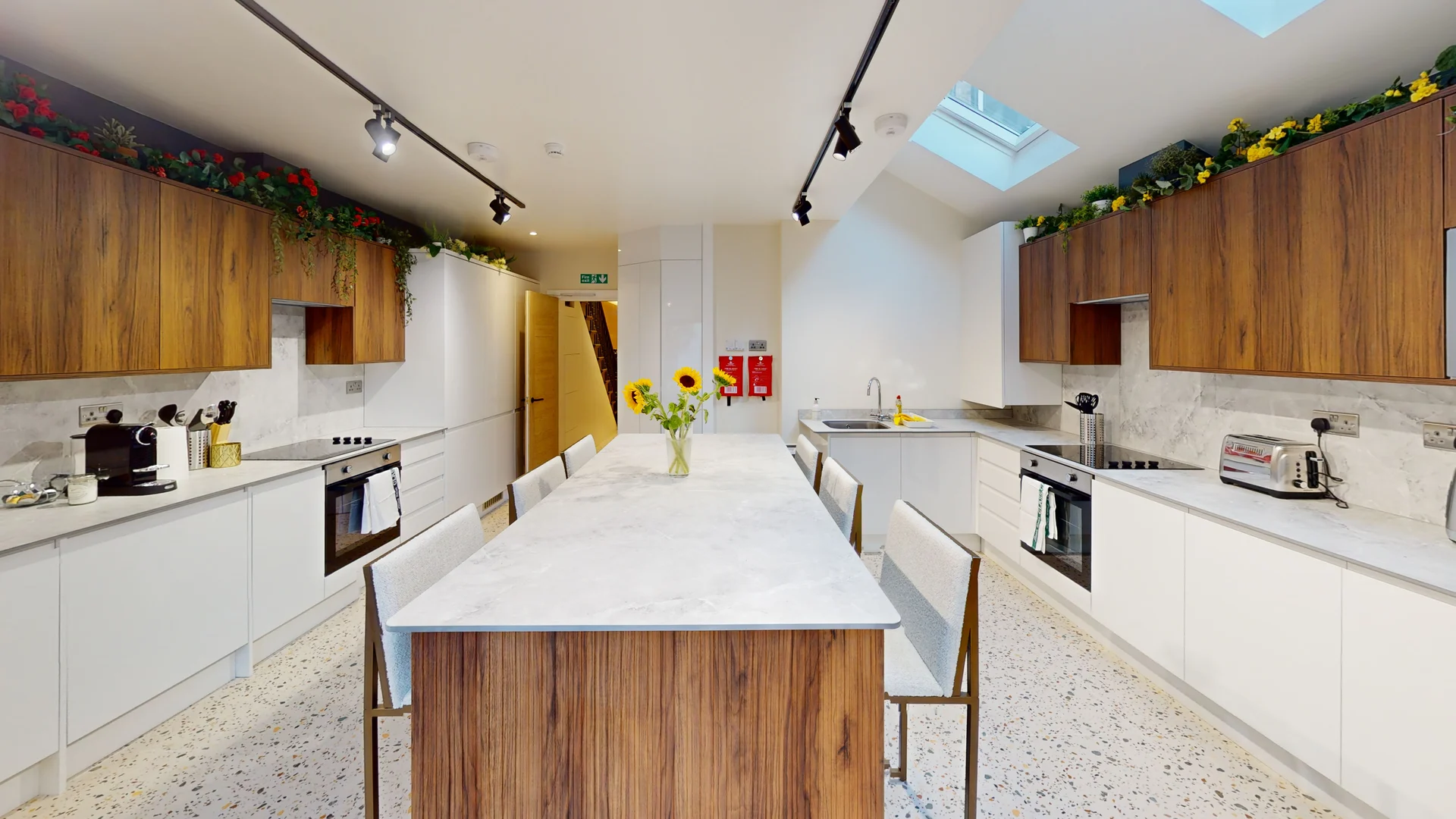
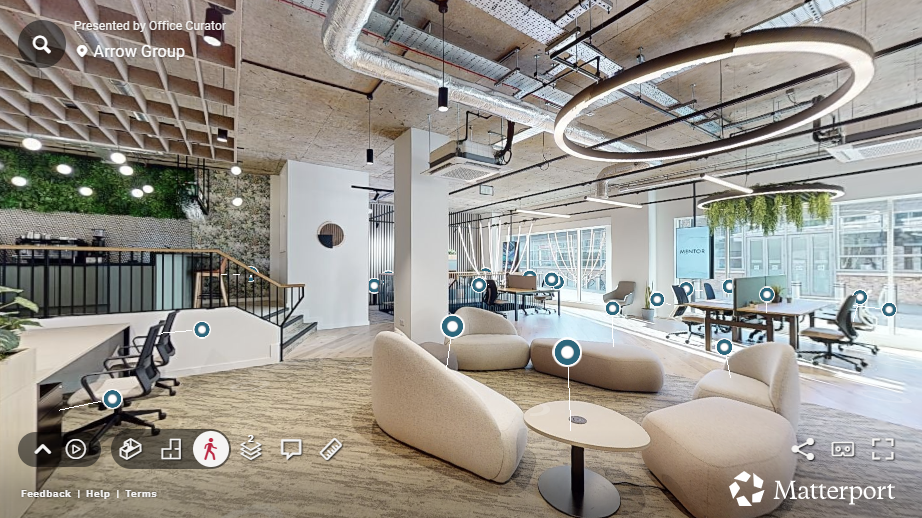
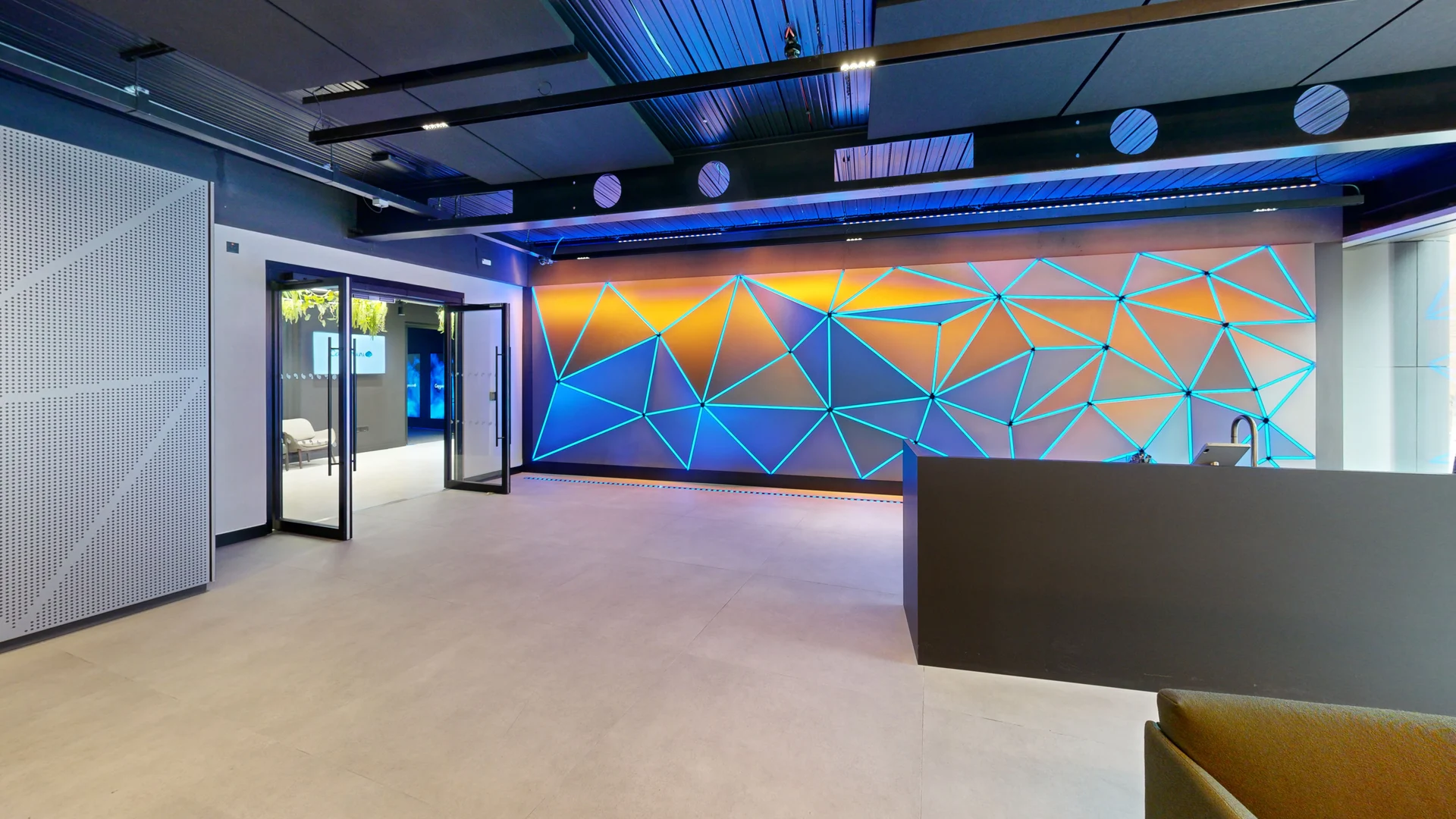
In March 2025 we began a large, multi-level Matterport capture for Capgemini London at 95 Queen Victoria Street, City of London, EC4V 4HN. From the outset, this was stitched-by-design: the size and complexity of the building meant the final deliverable would be created by combining multiple captures into one coherent digital twin. Matterport refers to this as Stitching—the manual combination of two or more Matterport Spaces into one large, combined Space.
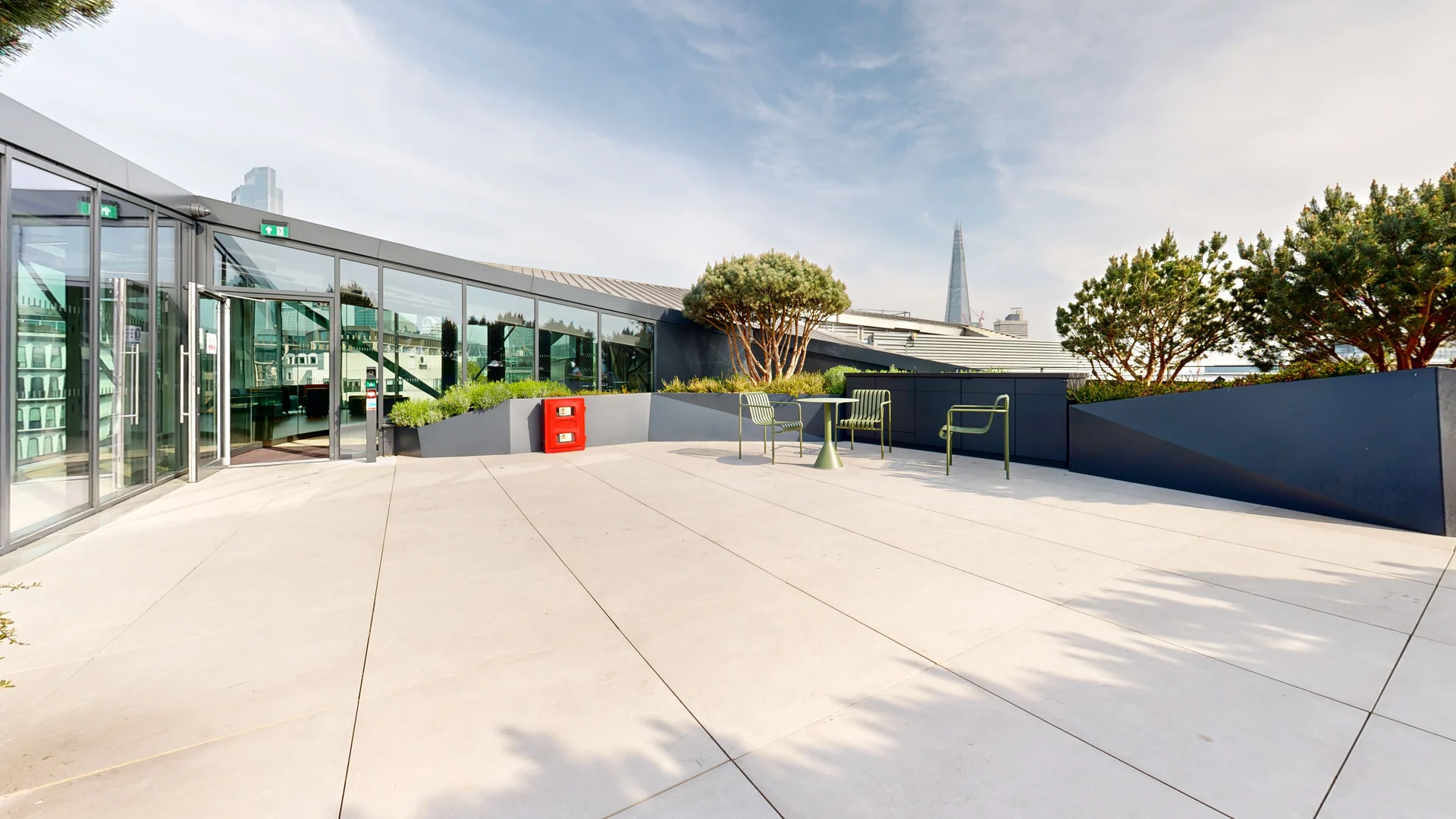
The goal wasn’t a one-off “virtual tour.” It was to produce a practical building record that could support project coordination through internal works—easy to share, easy to navigate, and useful to stakeholders who can’t always be on site at the same time.
The brief: one model across 8 levels
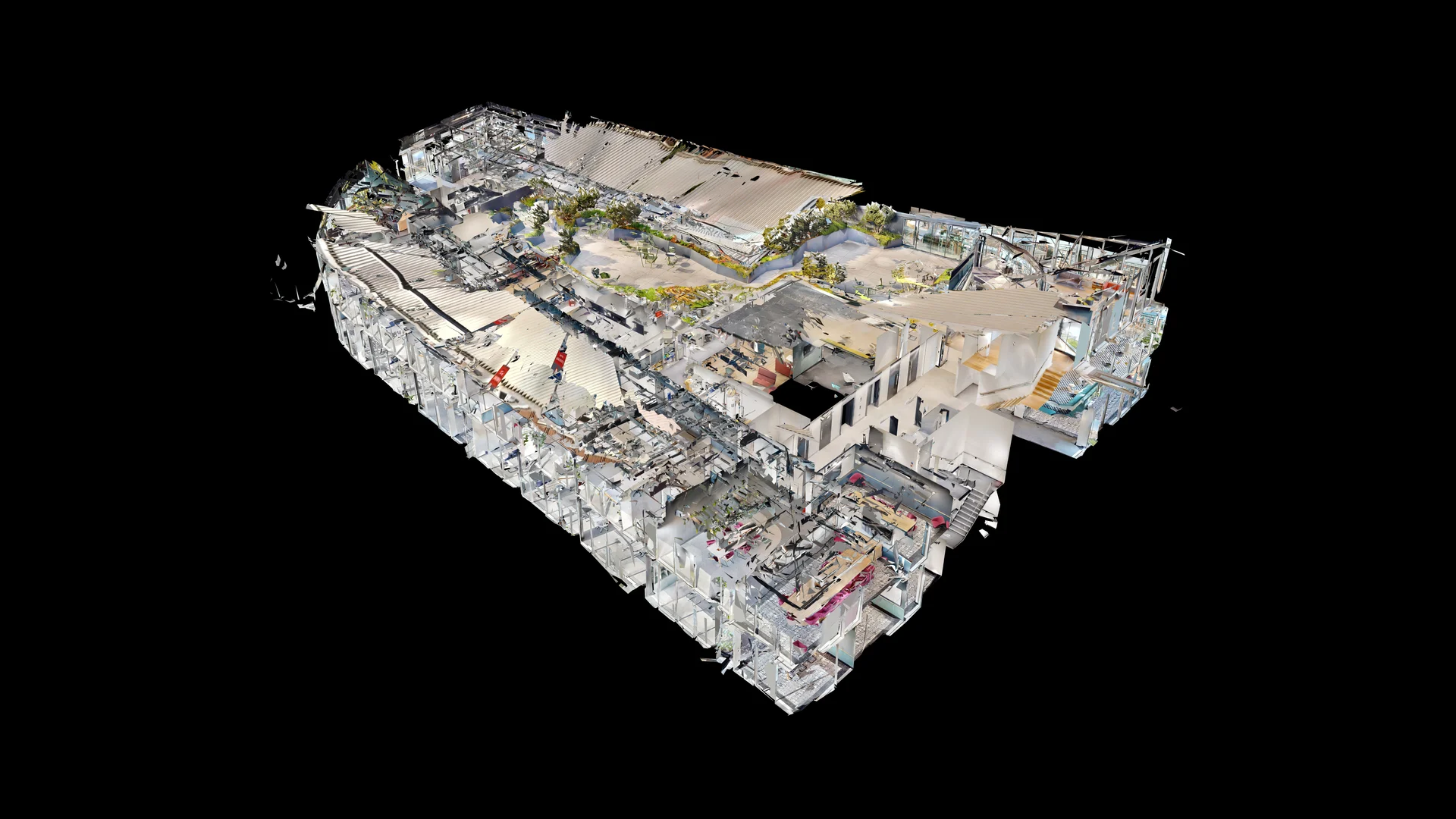
The requirement was clear: all 8 levels (Basement, LG, G, Level 1, Level 2, Level 3, Level 4, Level 5) were to be delivered as one single 3D model, connected via internal stairs. Lift lobbies and reception areas also needed to be scanned. The building was to be vacant/empty during capture (no people), which helps create a clean model with fewer moving objects and fewer visual distractions.
This “single model” outcome is what makes a multi-floor office scan genuinely usable: one link for the team, one navigational experience, and fewer misunderstandings than a folder full of photos.
The key technique: overlapping scan points for stitching
Because we knew stitching was the end game, the brief required Phase 1 to include overlapping scan points with the future Phase 2 areas. Overlap creates shared reference geometry—typically around stair cores, lift lobbies, and primary circulation—so the combined model behaves like one continuous capture when stitched together.
In simple terms: we weren’t only scanning what was needed that day—we were scanning the connection points that make the final stitched model feel seamless.
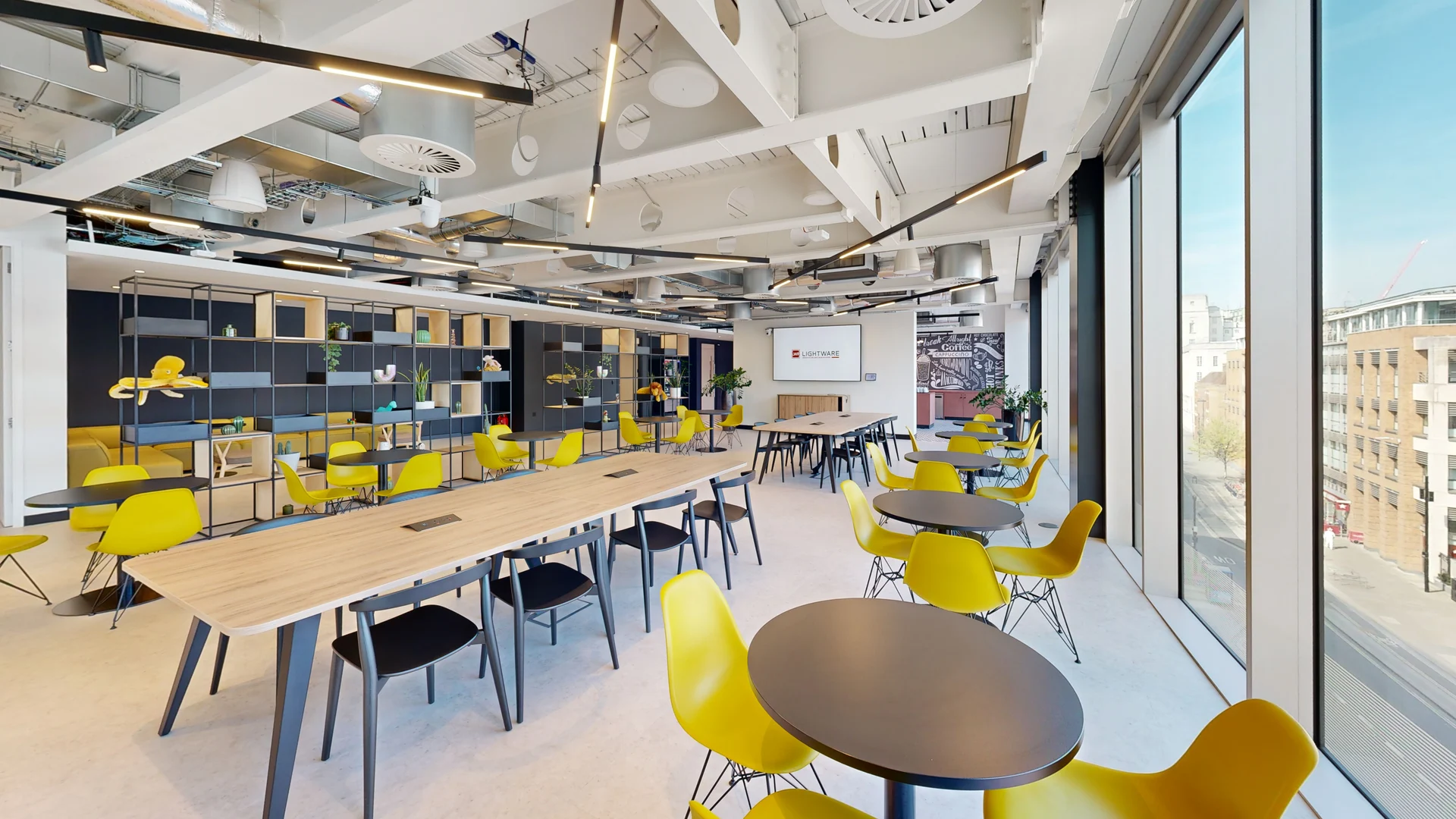
Why vacant + in-progress buildings are ideal for documentation
For fit-out and internal works, a digital twin is most valuable when it’s clear and unambiguous. A vacant building reduces “moving target” issues and makes it easier for teams to review finishes, circulation and spatial relationships without visual clutter.
If you’re planning a complex, multi-level office scan in London—especially a phased project—stitching-first planning (with intentional overlap) is often the difference between “two separate models” and one coherent digital twin that teams can rely on.