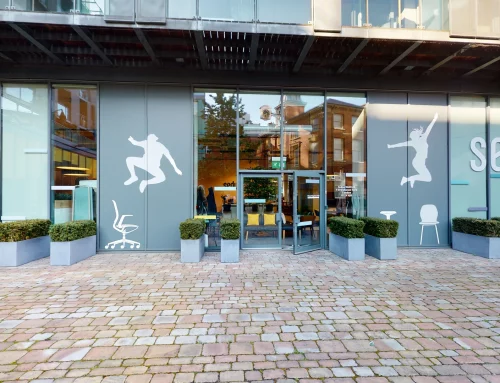
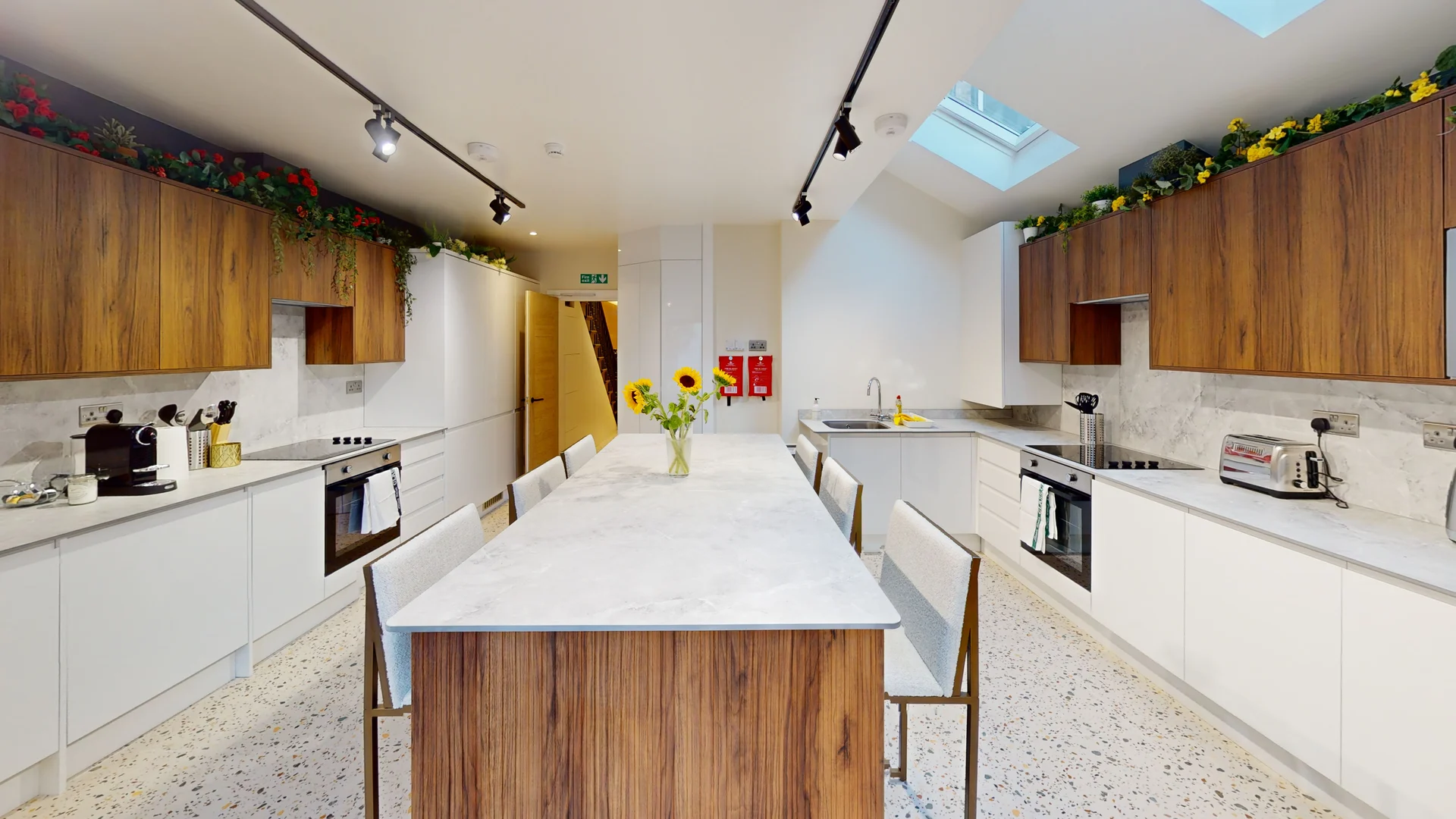
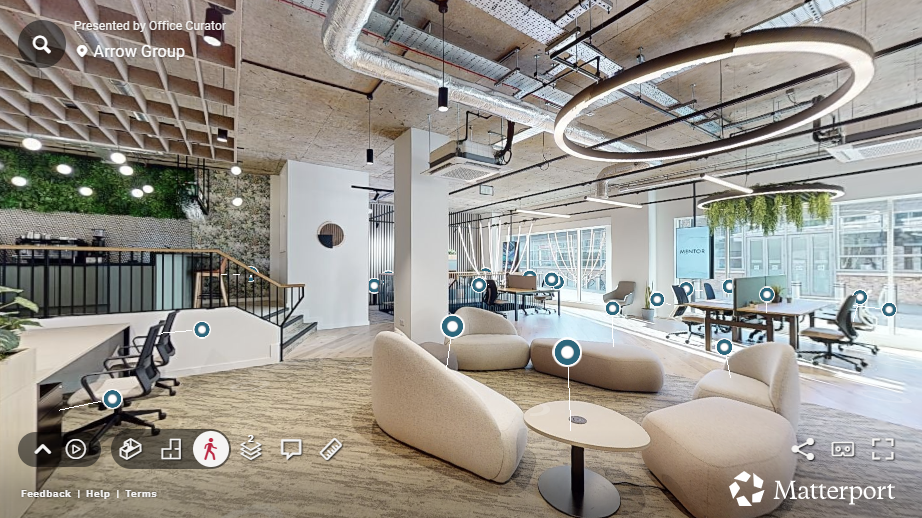
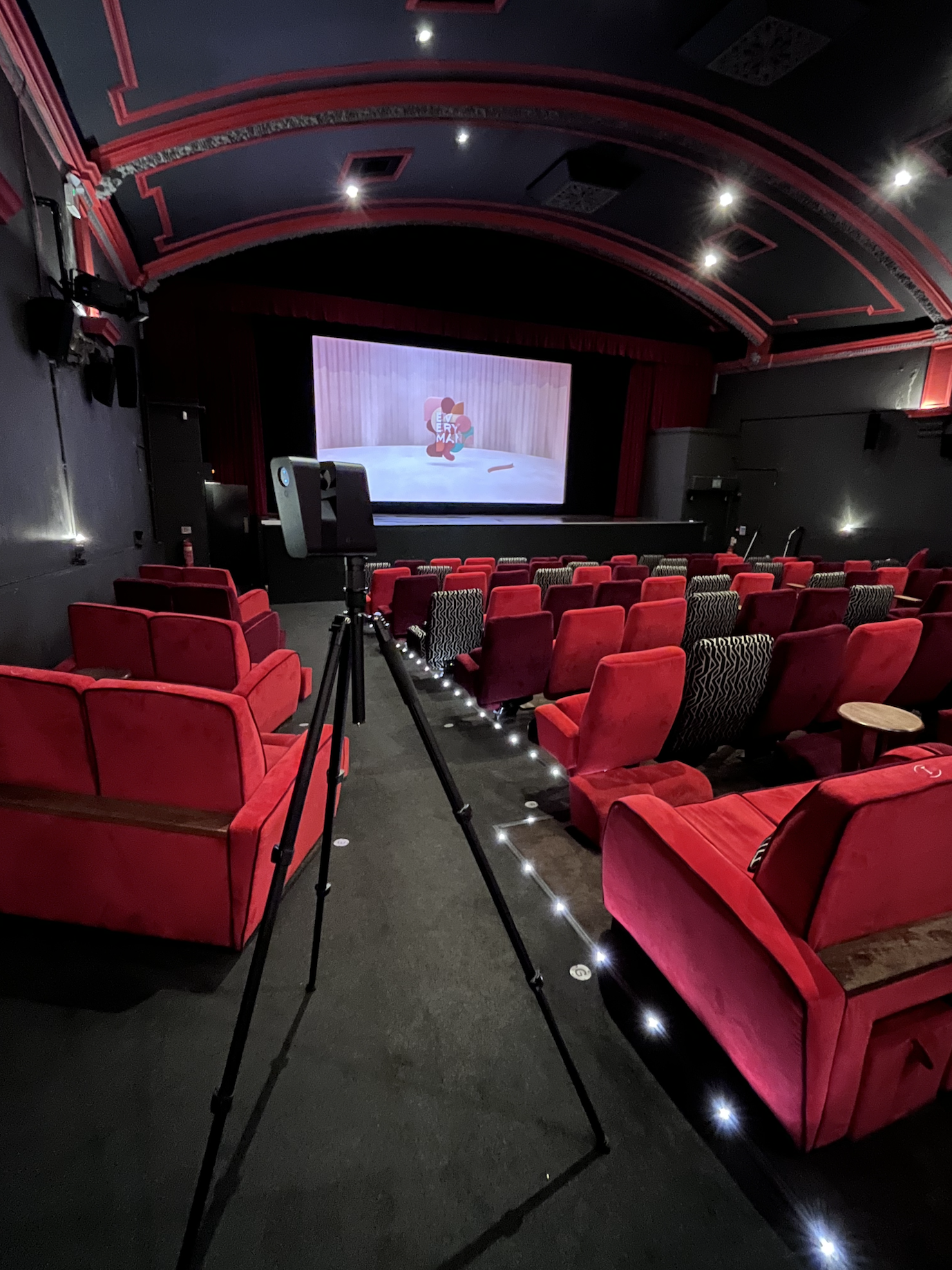
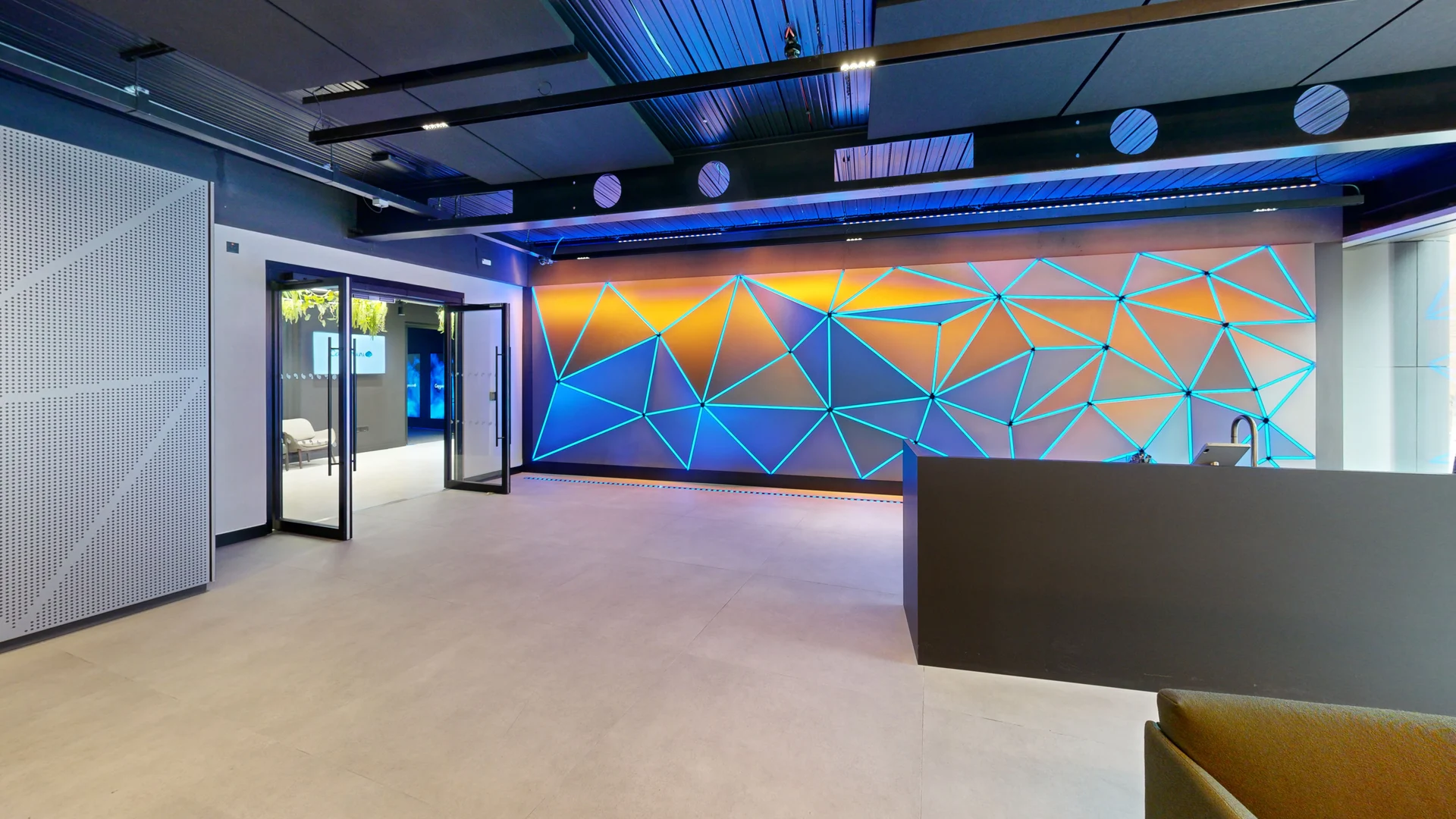
Not every Matterport job is a simple walk-through of a house. Large, complex sites—campuses, multi-floor facilities and operational buildings—need a different approach. The biggest challenge is rarely camera quality; it’s time, access, and maintaining a clean capture workflow while the site stays live.
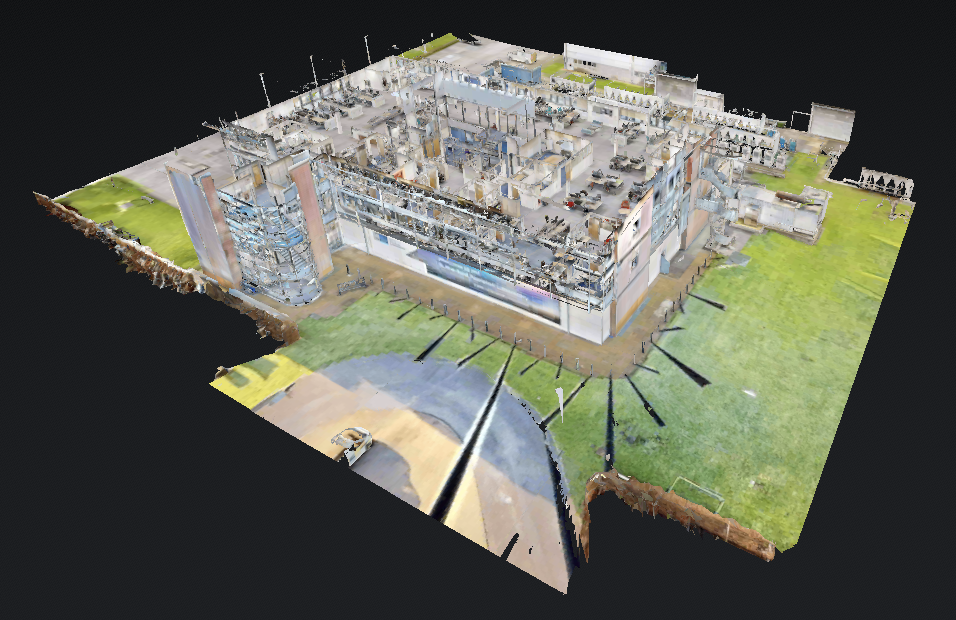
Plan zones before you capture
For large buildings, capture planning should be done like a lightweight survey:
-
Break the site into zones (floors, wings, departments, or functions).
-
Decide a capture order that matches access windows and occupancy.
-
Define checkpoints (e.g., “Level 2 complete”, “stair core complete”) so progress stays measurable.
Build reliable connections
Corridors, stairwells and key transitions are the spine of the model. Spend a little extra time making these transitions solid, and everything else aligns more easily. This is especially important when areas look similar—repeating corridors and identical doors can increase the risk of misalignment.
Capture for stakeholders, not just visuals
On complex sites, clients usually want clarity: how spaces connect, where access points are and what exists before changes begin. A digital twin becomes a baseline record for planning, maintenance and change management—useful long after the initial capture is delivered.
If you’re planning works or need documentation of a complex building, we can advise on the best workflow and deliverables for your site. Contact us to discuss a large Matterport scan.