Office buildings don’t stand still. Layouts evolve, facilities are upgraded, and areas get reconfigured as projects move through phases. The real challenge isn’t capturing a space once—it’s keeping a digital twin accurate after changes happen, without re-scanning everything from scratch.
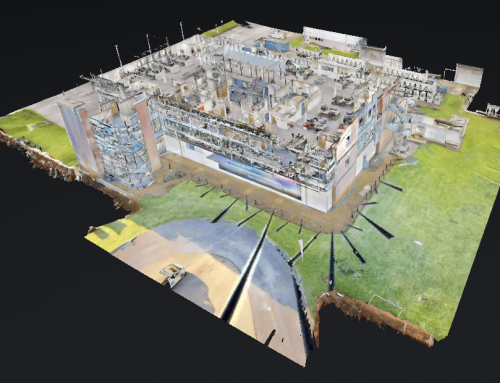
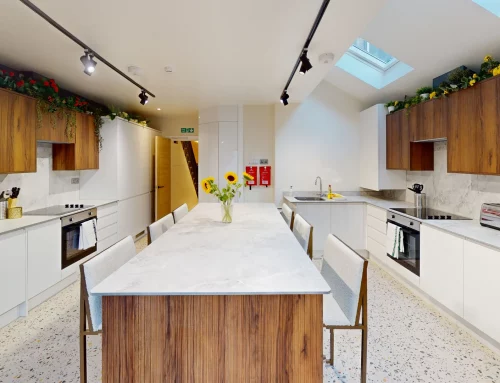
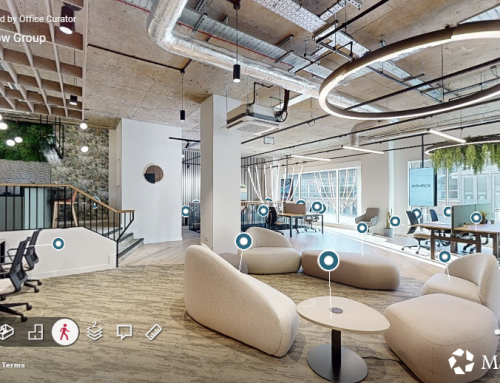
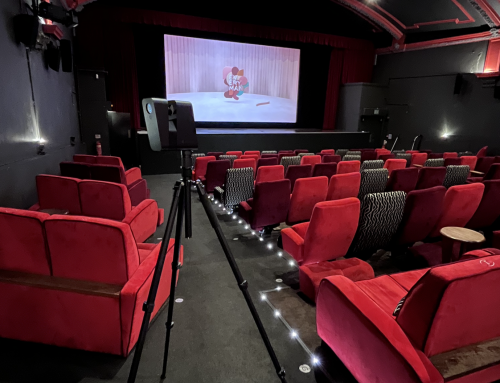
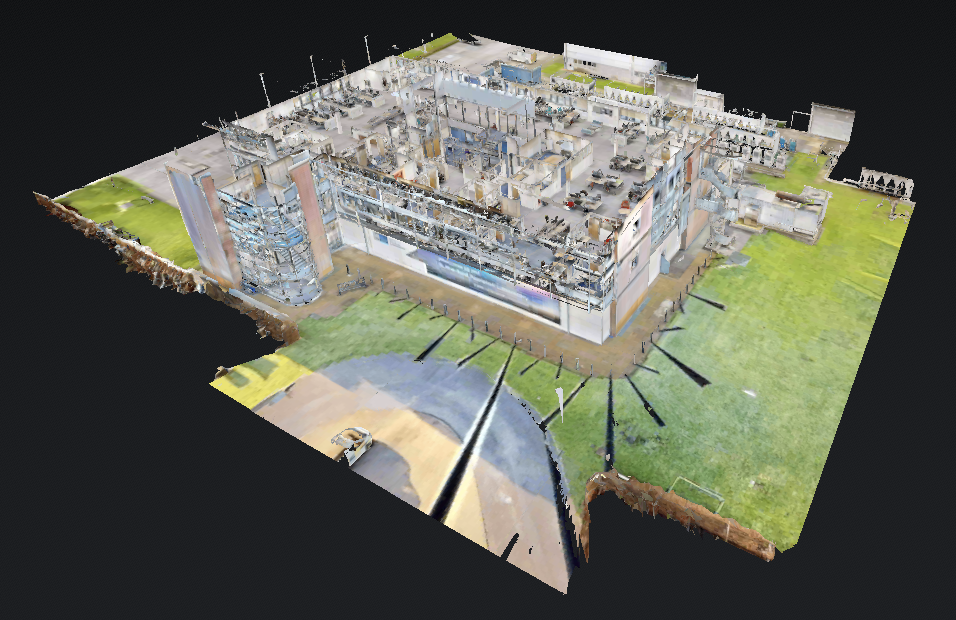
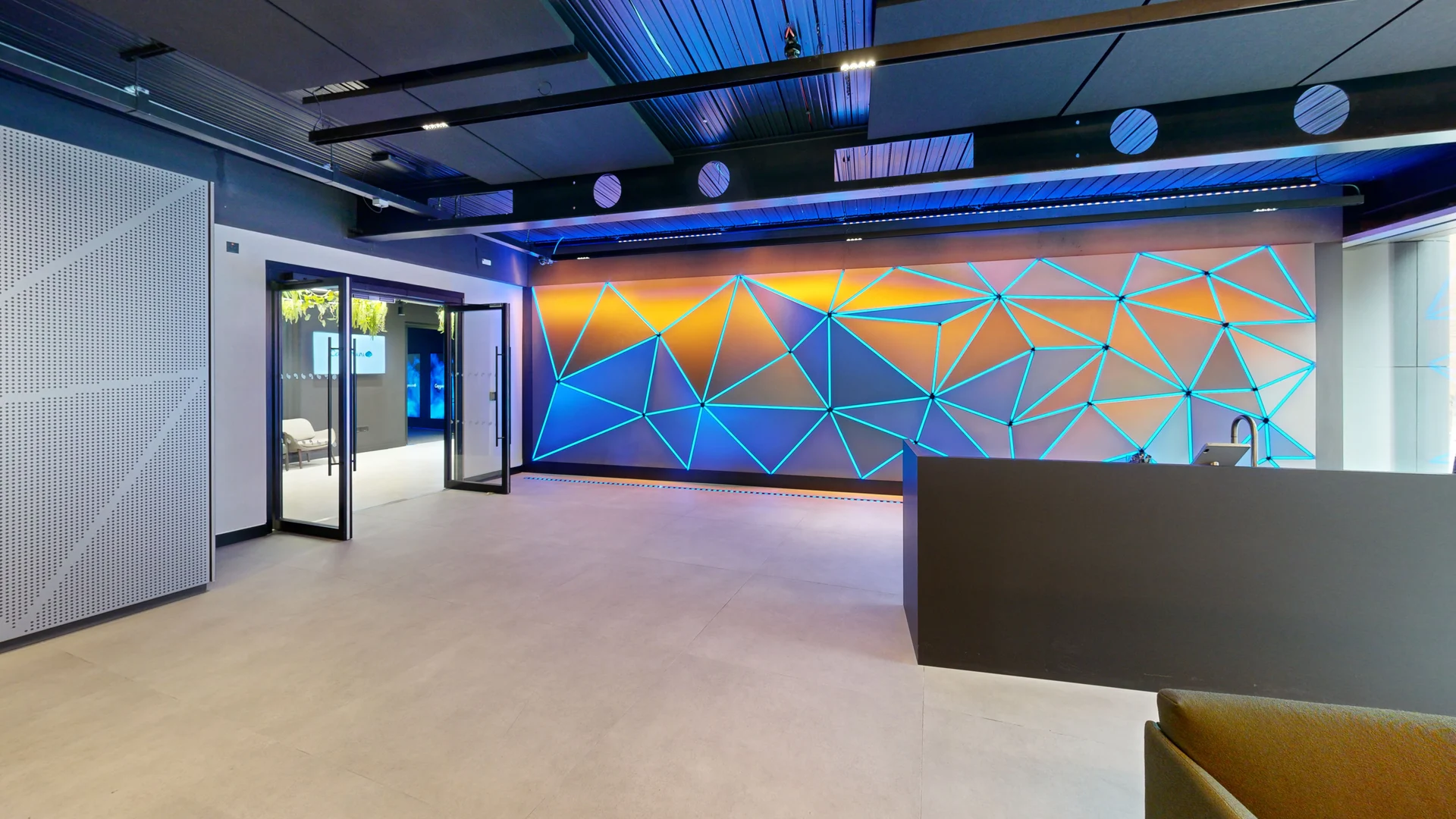
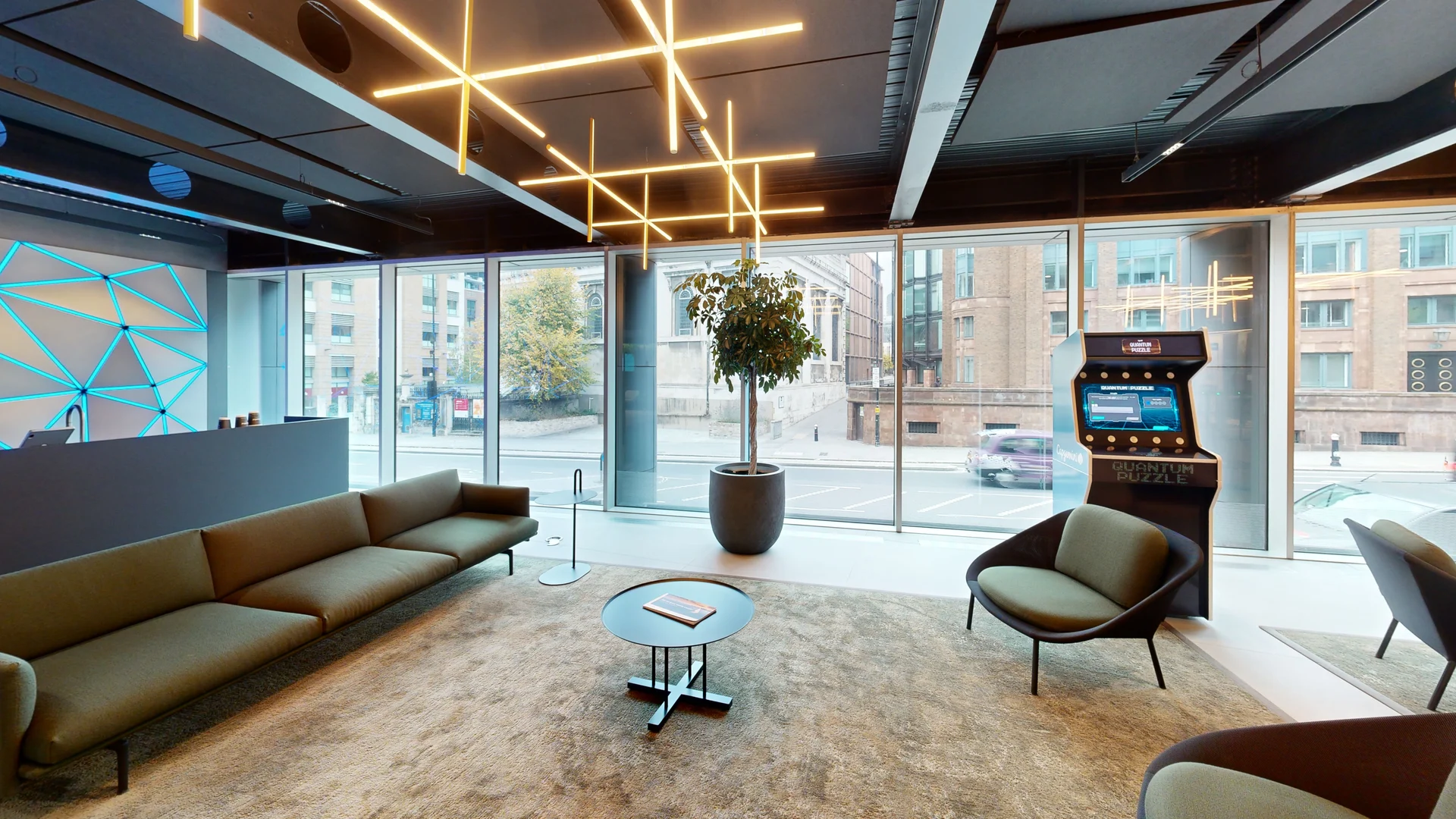
In October we carried out a complicated revisit Matterport scan for Capgemini London at 95 Queen Victoria Street, EC4V 4HN, near St Paul’s. The revisit was driven by one requirement: update only the floors that changed, while retaining existing scan data where it was still valid.
Why revisit scans get complicated
Revisit work is harder than a first capture because you’re trying to achieve two things at the same time:
-
Preserve continuity (so links, navigation logic, and stakeholder familiarity don’t reset).
-
Replace specific sections with new truth (so the model reflects the current environment).
That means the capture plan is less about “scan the building” and more about “scan the differences,” while keeping the model coherent.
The brief: selective deletion and re-capture
The client requested two separate model outcomes, each involving selective deletion of previous scan data and re-capture of updated areas.
Model 1 (retain one level, replace others)
-
Delete previous scan data for Basement and Level 1.
-
Retain scan data for Level 2.
-
Rescan Basement and Level 1 into the same model alongside the retained Level 2.
Model 2 (retain ground level, add lower ground)
-
Delete all scan data for Level 1.
-
Retain the data for Ground Level.
-
Proceed to scan Lower Ground (LG) on the same 3D model with the retained ground level.
This is a smart approach on large commercial sites: it avoids re-capturing stable areas and focuses time on the parts that have genuinely changed.
How Matterport supports “keep the model, update the parts”
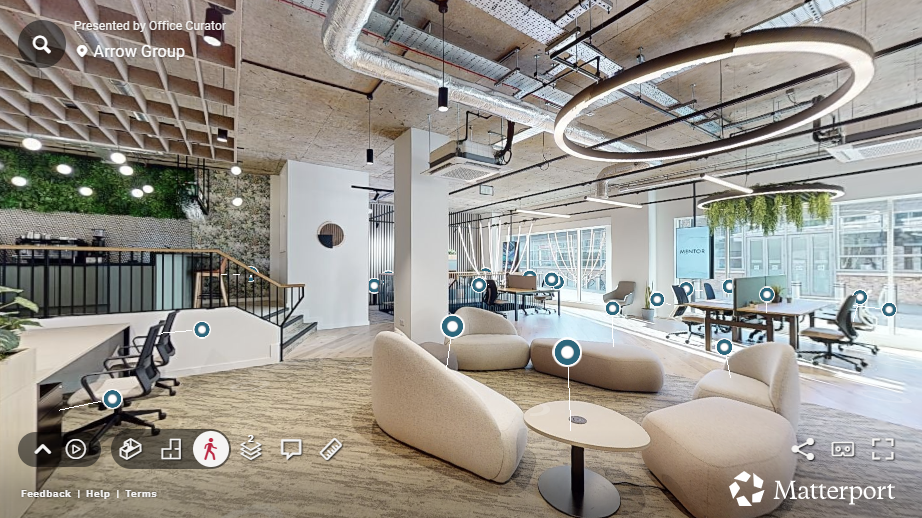
Matterport’s platform increasingly supports workflows where multiple captures can be combined to create (and maintain) a single digital twin. One example is Merge, which Matterport describes as a way to combine multiple floors or separate buildings, unite team scans, and even update a portion of a model by merging newly scanned areas into the existing digital twin. For multi-session and lifecycle documentation, this is the direction clients want: a model that stays useful as the building progresses.
The on-site reality is that successful updates still depend on fundamentals: capturing solid transitions (stairs, corridors, junctions) and ensuring the “connection points” between retained and newly scanned areas are stable enough for the final model to navigate naturally.
Why clients commission updates (not just new scans)
For workplace and facilities teams, an up-to-date model supports:
-
Faster stakeholder alignment—especially when not everyone can visit in person.
-
Clearer change documentation during phased works.
-
Fewer repeat site meetings and fewer misunderstandings caused by isolated photos.
If you’re managing a refurbishment or phased workplace project in London and need a Matterport revisit scan that retains what’s still correct while updating what changed, we can recommend a capture approach that keeps your digital twin reliable across the building lifecycle.