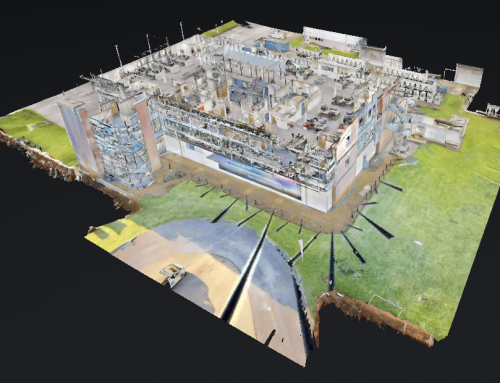
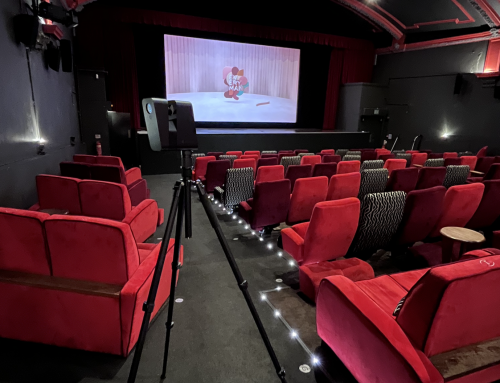
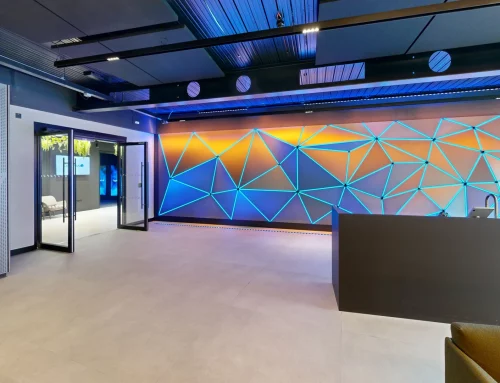
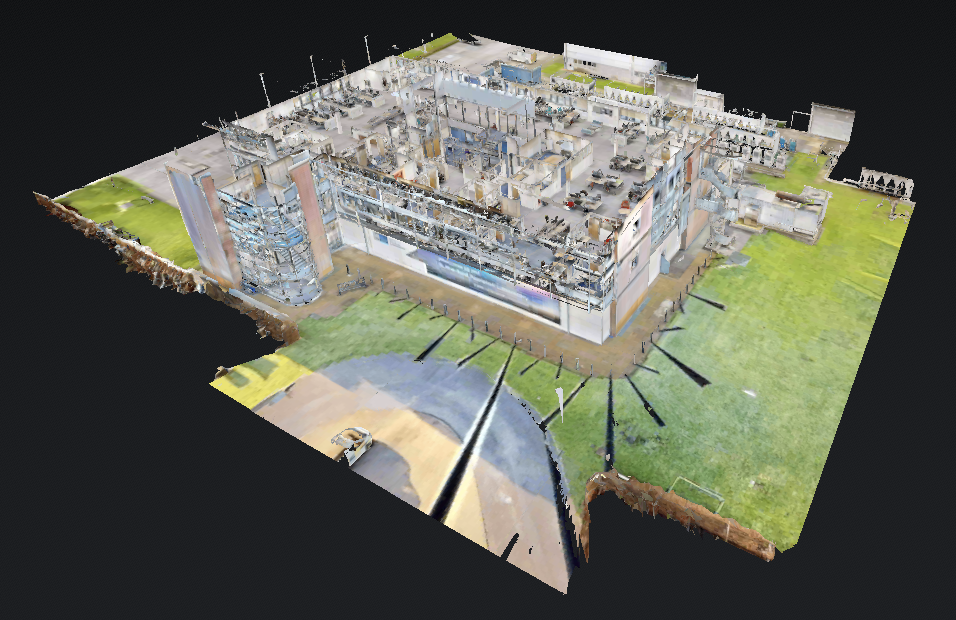
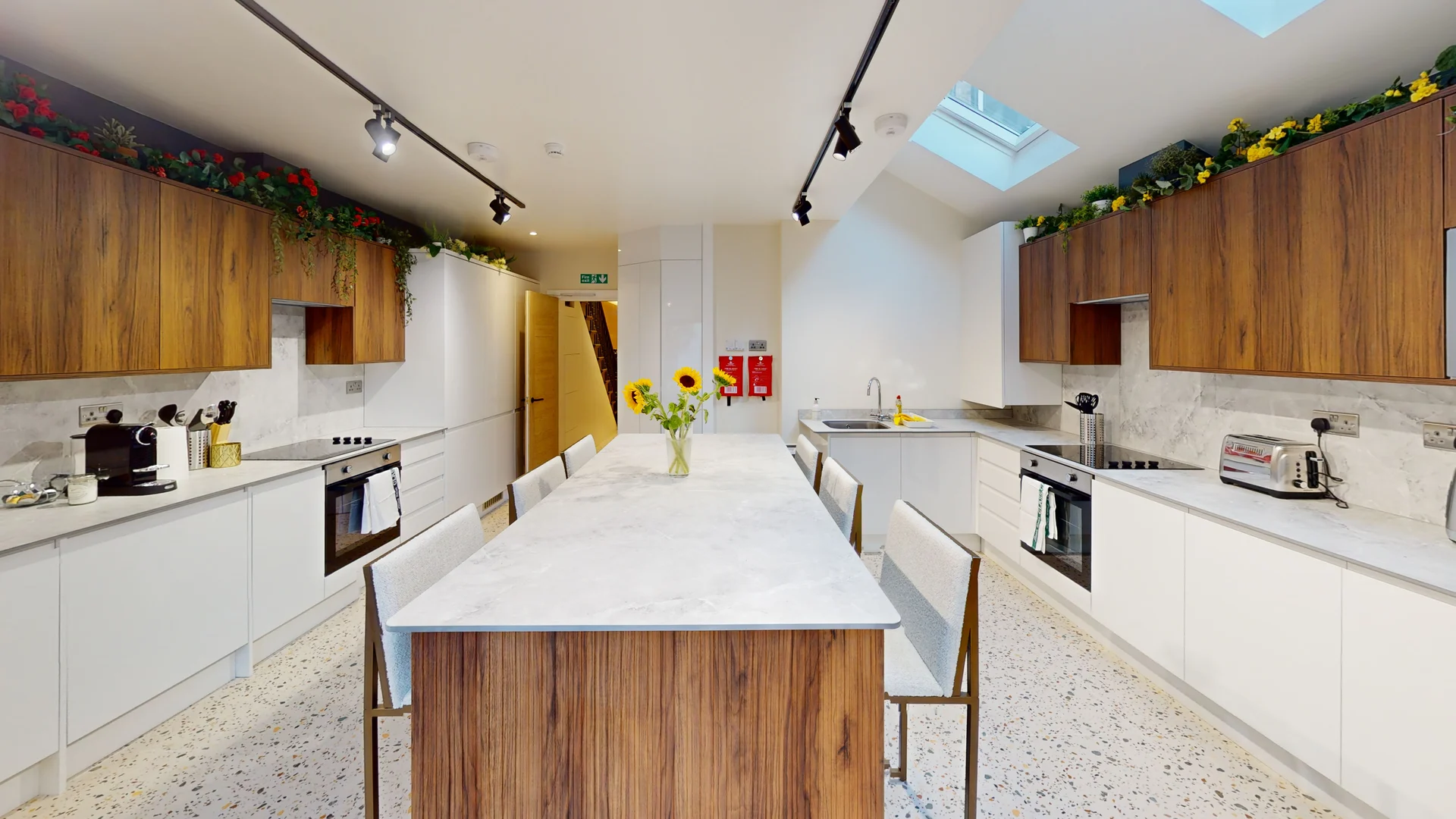
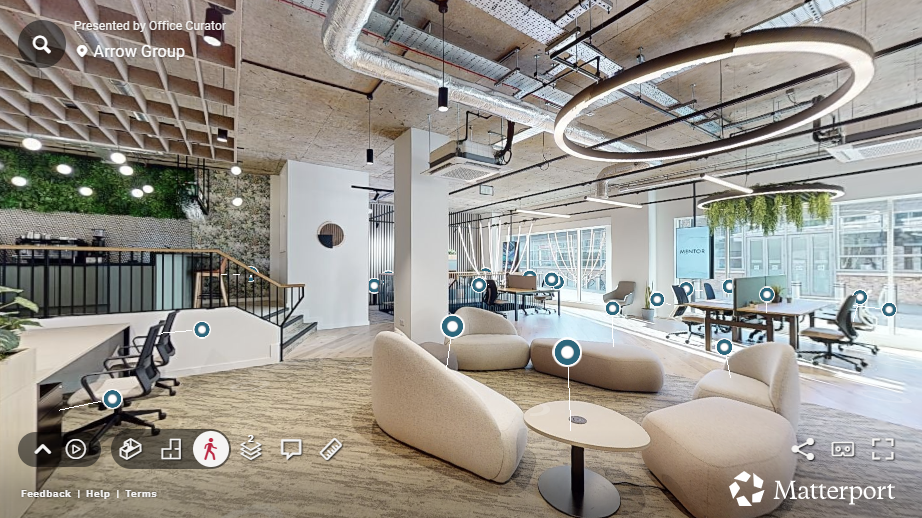
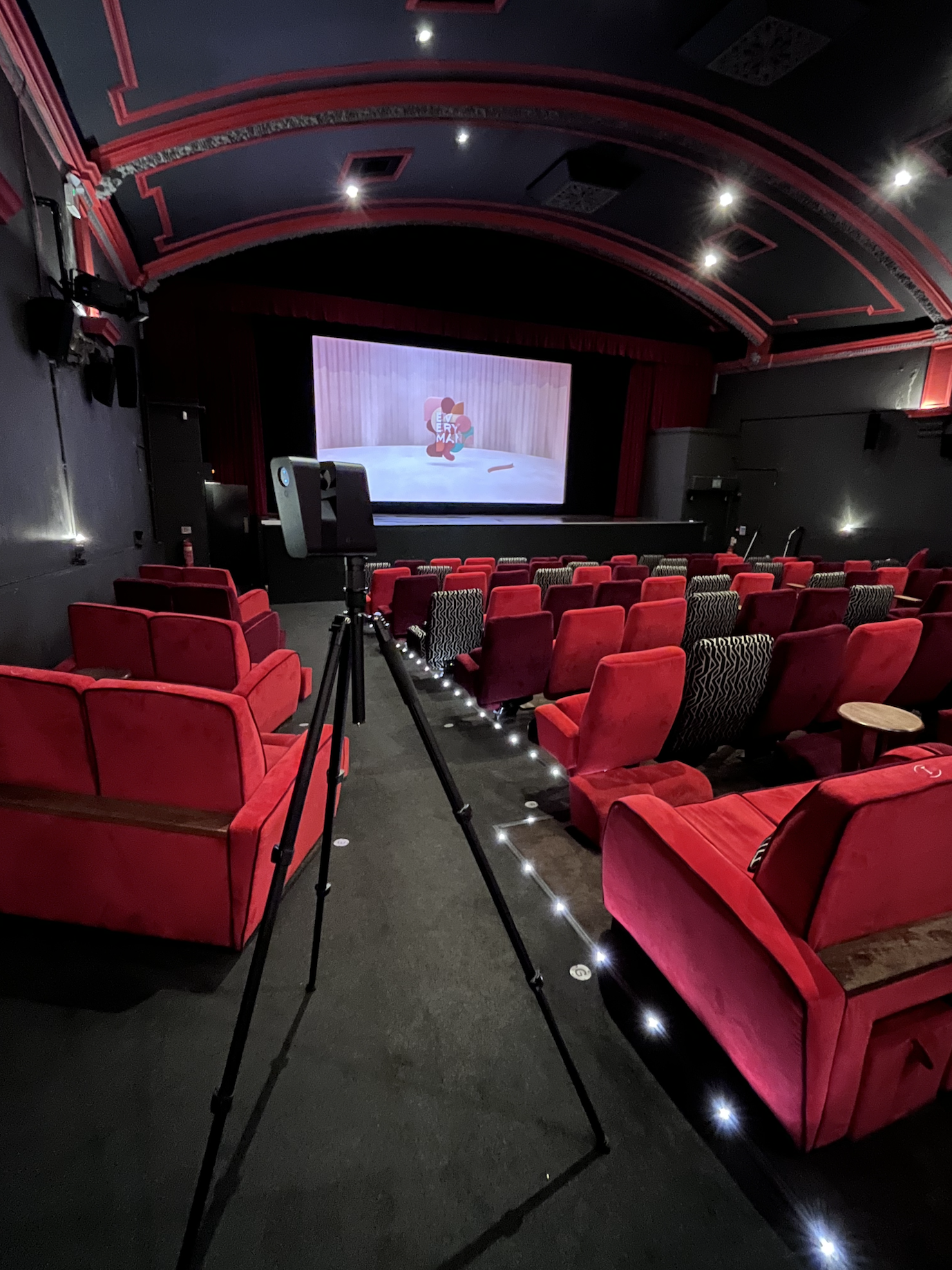
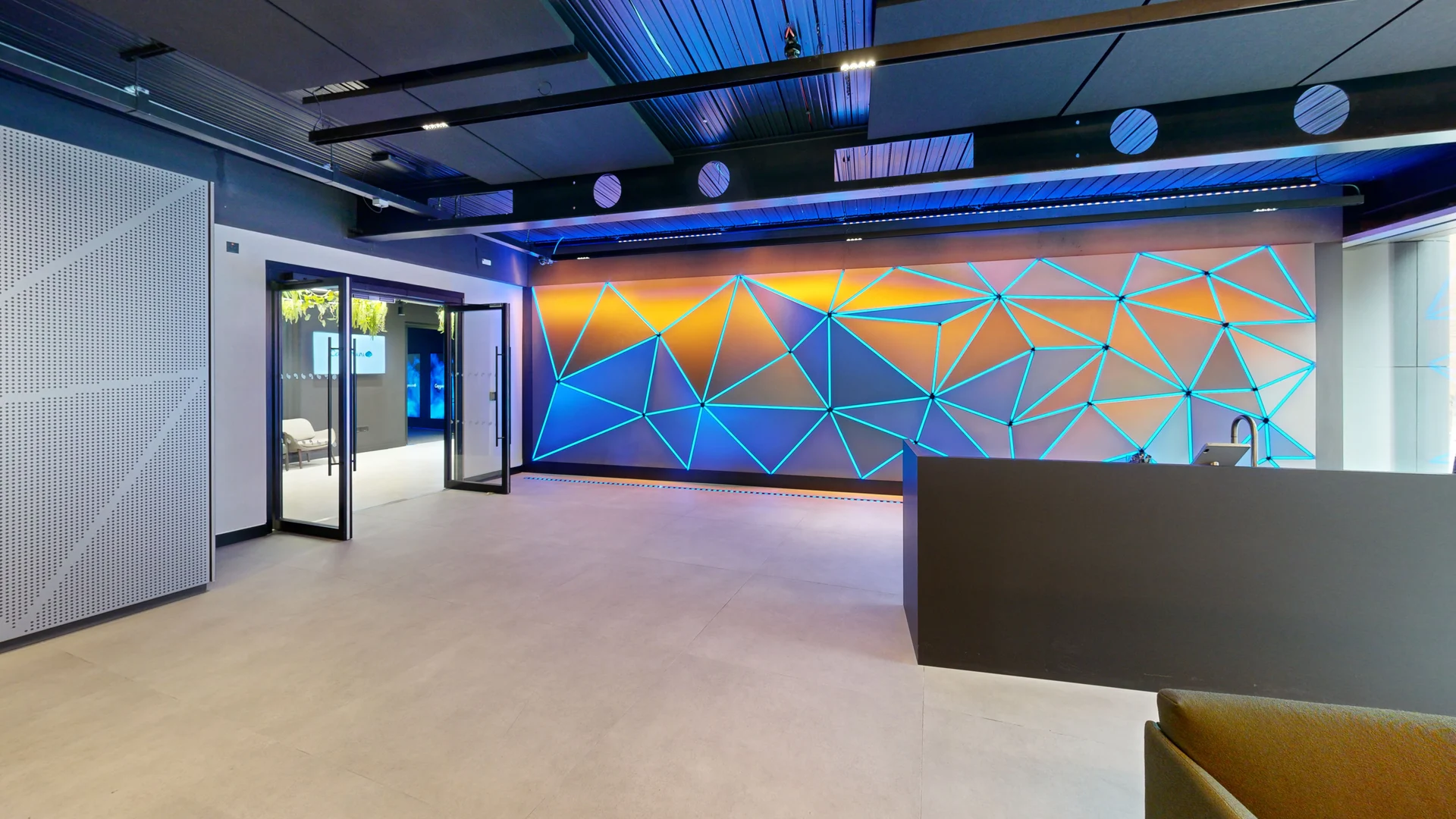
Commercial projects move fast: fit-outs accelerate, trades overlap, and stakeholders need to make decisions quickly—often without everyone being on site. That’s exactly where a Matterport digital twin becomes more than a “virtual tour.” For commercial property, it’s a practical documentation tool: a time-stamped, navigable record that helps teams coordinate, track progress, and reduce the number of site meetings.
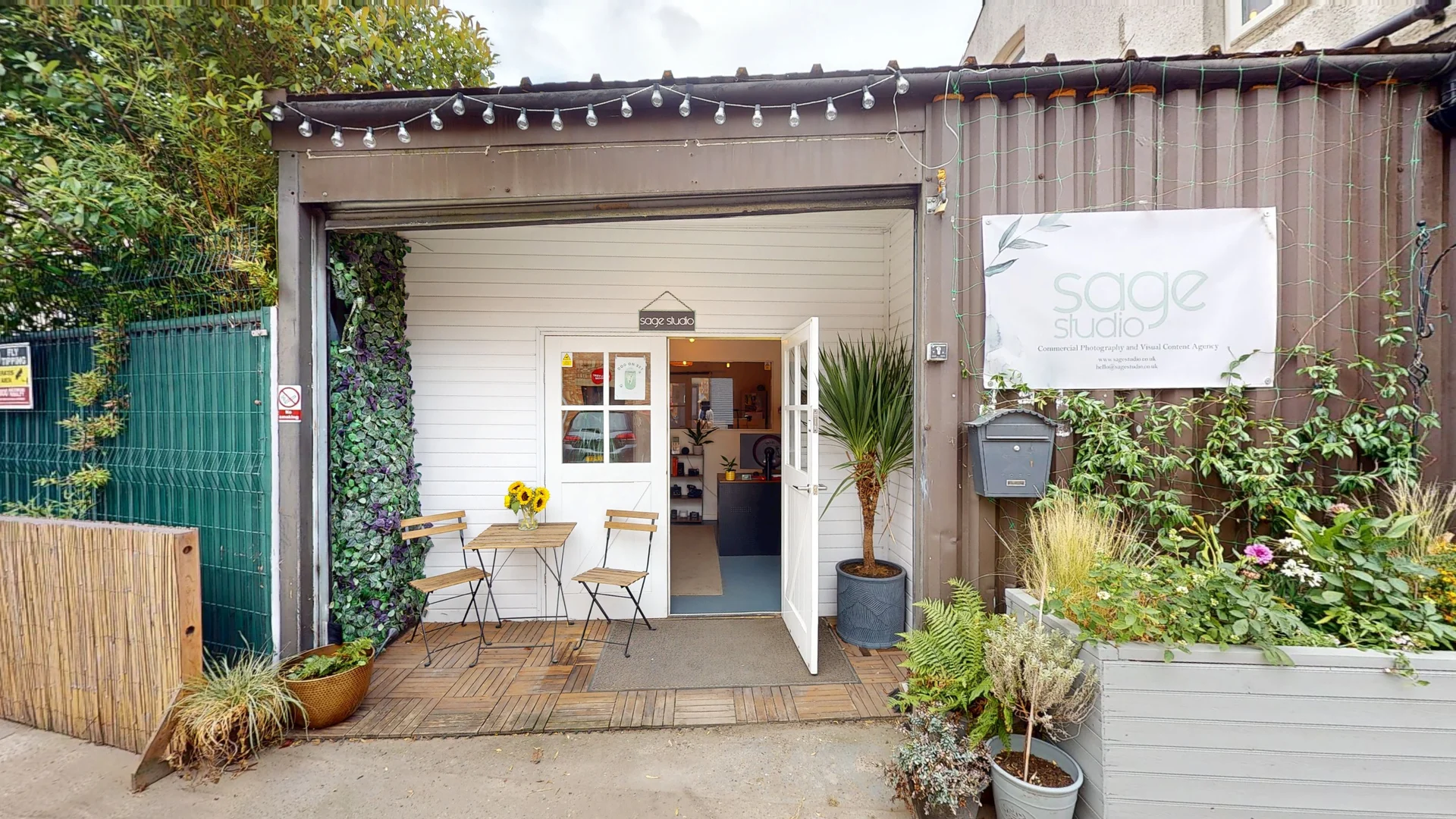
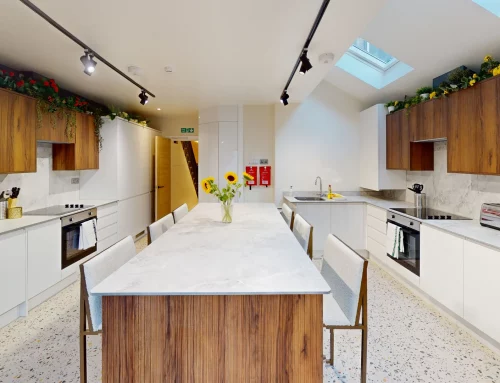
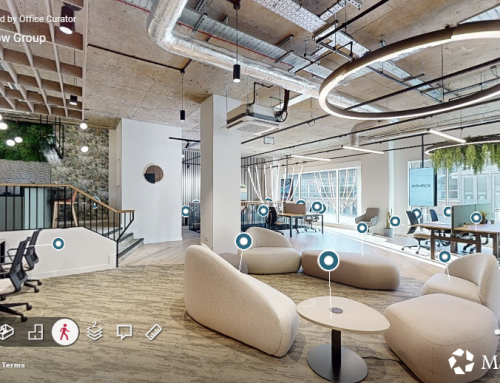
This month we completed two types of work that highlight that difference. First, we scanned a commercial creative workspace for Sage Studios, a North London eCommerce and commercial photography studio. Second, we carried out a series of captures at 115 Wardour Street as part of a renovation workflow for Brinkworth, supporting a commercial space/shop project where repeat documentation is often essential. Brinkworth operates across interior, retail and experiential design, which aligns strongly with why consistent “progress captures” matter during a build.
Sage Studios: capturing a working commercial space
Commercial studios have a different set of requirements to residential. The space has to read clearly for the team using it—zones, circulation, storage, and how areas connect. For environments like a photography studio, you also tend to see:
-
Larger open areas that benefit from clean, consistent scan spacing.
-
Reflective surfaces and mixed lighting (windows, practicals, studio lighting).
-
Back-of-house zones that matter operationally, even if they’re not “pretty.”
The goal with this kind of scan is clarity. A well-captured model helps owners and teams review layout, plan changes, and communicate requirements to contractors without trying to explain everything over messages or photos.
115 Wardour Street: why renovation projects benefit from repeat captures
Where Matterport really earns its keep is renovation work—especially when you’re capturing the same address multiple times. A single scan is useful, but a series of scans becomes a timeline: stakeholders can check what changed, confirm completed works, and flag issues early.
For renovation documentation, the biggest value usually comes from three things:
-
Consistency: same route, similar camera height, similar coverage each time—so comparisons are meaningful.
-
Coverage of transitions: entrances, corridors, stairs, thresholds and junctions; these areas tie everything together and prevent confusion later.
-
Reducing ambiguity: instead of debating what a photo shows, teams can “walk” the space remotely and see context.
Design and build teams often work across multiple disciplines at once. Brinkworth’s practice spans retail and interior environments, which is exactly the kind of project context where a clear, shared digital reference reduces friction between stakeholders.
How we plan a renovation capture (so it stays useful)
If you’re commissioning a Matterport scan for refurbishment works, a good brief is simple:
-
What decisions will be made from the model (design, services coordination, sign-off)?
-
Which areas are critical to document every time (shopfront, back-of-house, stair core, WCs, plant/storage)?
-
How often do you need captures (start-of-works, pre-plaster, pre-handover, practical completion)?
When you scan with those questions in mind, the output becomes a working tool—something the entire project team can use—rather than a one-off “nice to have.”
If you’re planning a commercial renovation and want a Matterport scan in London that’s designed for documentation and progress tracking, get in touch and we’ll recommend a capture schedule and deliverables that match your programme.